

As a supplier of Mica Board, I've been frequently asked whether Mica Board can be used in battery packs. This question is not only relevant to the performance and safety of battery packs but also to the future development of energy storage technology. In this blog, I'll delve into the properties of Mica Board, the requirements of battery packs, and analyze whether Mica Board is a suitable material for battery packs.
Properties of Mica Board
Mica Board is a high - performance insulation material made from natural or synthetic mica. It has several outstanding properties that make it stand out in various industrial applications.
Thermal Insulation
One of the most remarkable features of Mica Board is its excellent thermal insulation. It can withstand high temperatures without significant degradation of its physical properties. This is crucial in many applications where heat management is a challenge. For instance, in high - power electrical devices, Mica Board can prevent heat from spreading to other components, ensuring the stability and reliability of the entire system. You can learn more about Mica Board on our website Mica Board.
Electrical Insulation
Mica Board also has outstanding electrical insulation properties. It has a high dielectric strength, which means it can effectively prevent the flow of electric current. This property is essential in electrical and electronic applications, where electrical insulation is necessary to avoid short - circuits and electrical failures.
Chemical Resistance
Mica Board is resistant to many chemicals, including acids and alkalis. This makes it suitable for use in harsh chemical environments. In some industrial processes where chemicals are involved, Mica Board can maintain its integrity and performance, providing long - term protection for equipment.
Mechanical Strength
Despite being a relatively lightweight material, Mica Board has good mechanical strength. It can withstand a certain amount of mechanical stress without cracking or breaking. This property is important in applications where the material needs to endure mechanical vibrations or impacts.
Requirements of Battery Packs
Battery packs, especially those used in electric vehicles and large - scale energy storage systems, have strict requirements for materials.
Thermal Management
In battery packs, thermal management is of utmost importance. Batteries generate heat during charging and discharging processes. If the heat is not properly dissipated, it can lead to an increase in battery temperature, which may reduce battery performance, shorten battery life, and even cause safety issues such as thermal runaway. Therefore, battery packs need materials with good thermal insulation to prevent heat transfer between individual battery cells and to the outside environment.
Electrical Insulation
Electrical insulation is also crucial in battery packs. To avoid short - circuits between battery cells and to ensure the safety of the entire battery system, materials with high electrical insulation properties are required. Any electrical leakage can cause energy loss, overheating, and potential safety hazards.
Safety and Reliability
Battery packs need to operate safely and reliably for a long time. The materials used in battery packs should be able to withstand various environmental conditions, such as temperature changes, humidity, and mechanical vibrations. They should also be resistant to chemical corrosion to ensure the long - term stability of the battery system.
Space and Weight Constraints
In many applications, such as electric vehicles, space and weight are limited. Therefore, the materials used in battery packs should be lightweight and compact while still meeting the performance requirements.
Can Mica Board be Used in Battery Packs?
Based on the properties of Mica Board and the requirements of battery packs, we can analyze the feasibility of using Mica Board in battery packs.

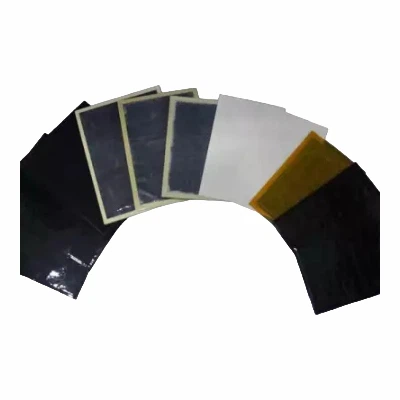
Thermal Insulation Aspect
Mica Board's excellent thermal insulation property makes it a potential candidate for thermal management in battery packs. It can be used as a separator between battery cells to prevent heat transfer. By installing Mica Board between cells, the temperature difference between cells can be reduced, and the overall thermal stability of the battery pack can be improved. Compared with other thermal insulation materials like Nano Plate and Aerogel 1 cm, Mica Board has a good balance between cost and performance.
Electrical Insulation Aspect
The high electrical insulation of Mica Board meets the electrical insulation requirements of battery packs. It can be used to insulate the battery terminals, busbars, and other electrical components in the battery pack. This helps to prevent electrical leakage and short - circuits, ensuring the safe operation of the battery system.
Safety and Reliability Aspect
Mica Board's chemical resistance and mechanical strength contribute to the safety and reliability of battery packs. It can withstand the chemical environment inside the battery pack and mechanical vibrations during the operation of electric vehicles or energy storage systems. This long - term stability is essential for the reliable operation of battery packs.
Space and Weight Aspect
Mica Board is relatively lightweight and can be fabricated into thin sheets, which is suitable for the space and weight constraints of battery packs. It can be easily integrated into the battery pack design without adding excessive weight or taking up too much space.
Advantages and Disadvantages of Using Mica Board in Battery Packs
Advantages
- Cost - effective: Mica Board is generally more cost - effective compared to some high - end thermal insulation materials. This can help to reduce the overall cost of battery packs without sacrificing too much performance.
- Proven Performance: Mica Board has been used in various industrial applications for a long time, and its performance and reliability have been well - proven. Using Mica Board in battery packs can take advantage of this long - term experience and ensure the stability of the battery system.
- Easy to Process: Mica Board can be easily cut, drilled, and shaped according to the specific requirements of battery pack design. This flexibility in processing makes it easier to integrate into different battery pack configurations.
Disadvantages
- Limited Flexibility: Mica Board is a relatively rigid material, and its flexibility is limited. In some battery pack designs where a certain degree of flexibility is required, Mica Board may not be the best choice.
- Moisture Absorption: Although Mica Board has good chemical resistance, it may absorb a small amount of moisture under high - humidity conditions. This moisture absorption may affect its electrical insulation properties to some extent.
Conclusion
In conclusion, Mica Board has many properties that make it a viable option for use in battery packs. Its excellent thermal insulation, electrical insulation, chemical resistance, and mechanical strength meet the key requirements of battery packs. However, it also has some limitations, such as limited flexibility and potential moisture absorption.
Overall, Mica Board can be used in battery packs, especially in applications where cost - effectiveness, thermal management, and electrical insulation are the main concerns. With proper design and processing, Mica Board can play an important role in improving the performance and safety of battery packs.
If you are interested in using Mica Board in your battery pack projects or have any questions about our Mica Board products, please feel free to contact us for procurement and further technical discussions. We are committed to providing high - quality Mica Board products and professional technical support to meet your specific needs.
References
- Handbook of Insulating Materials
- Journal of Power Sources (related articles on battery pack materials)
- Industrial Materials Research Reports on Mica - based products