

Thermal insulation plays a pivotal role in the efficiency and performance of industrial ovens. As a leading thermal insulation supplier, I have witnessed firsthand the transformative impact that proper insulation can have on industrial processes. In this blog, I will delve into the science behind thermal insulation in industrial ovens, explore different types of insulation materials, and highlight their benefits.
The Science of Thermal Insulation
To understand how thermal insulation works in industrial ovens, we first need to grasp the concept of heat transfer. Heat transfer occurs in three main ways: conduction, convection, and radiation.
Conduction is the transfer of heat through a solid material. In an industrial oven, heat can conduct through the walls of the oven, leading to energy loss. Thermal insulation materials with low thermal conductivity can slow down this process. For example, materials like Nano Plate have unique nanostructures that impede the movement of heat-carrying particles, reducing conductive heat transfer.
Convection involves the transfer of heat through the movement of fluids (liquids or gases). In an oven, hot air can rise and escape through openings or leaky seals, taking heat with it. Insulation helps to create a barrier that restricts the movement of air, minimizing convective heat loss. Some insulation materials are designed to trap air pockets, which act as insulators and prevent the circulation of hot air.
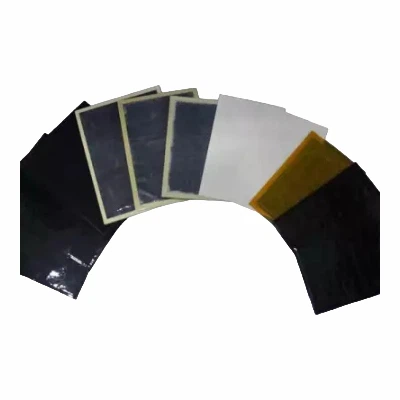

Radiation is the transfer of heat in the form of electromagnetic waves. Industrial ovens can radiate heat outwards, especially at high temperatures. Specialized insulation materials can reflect or absorb this radiant heat, preventing it from escaping the oven. For instance, certain types of reflective insulation can bounce back the radiant energy, keeping it inside the oven chamber.
Types of Thermal Insulation Materials for Industrial Ovens
There are several types of thermal insulation materials available for industrial ovens, each with its own unique properties and applications.
Nano Plate
Nano Plate is a cutting - edge insulation material that offers exceptional thermal performance. Its nano - structured composition provides a very low thermal conductivity, making it highly effective at reducing heat transfer. Nano Plates are lightweight and can be easily installed in industrial ovens. They are also resistant to high temperatures, which is crucial for applications where ovens operate at extreme heat levels. This material can significantly improve the energy efficiency of industrial ovens, leading to cost savings in the long run.
Aerogel 1 cm
Aerogel 1 cm is another remarkable insulation option. Aerogels are known for their extremely low density and high porosity, which gives them excellent insulating properties. A 1 - cm thick layer of aerogel can provide significant thermal resistance. Aerogels have a high surface area, which allows them to trap air and reduce both conductive and convective heat transfer. They are also hydrophobic, which means they can resist moisture, making them suitable for industrial ovens that may be exposed to humid environments.
Mica Board
Mica Board is a traditional yet reliable insulation material. Mica has good electrical and thermal insulation properties. It can withstand high temperatures without losing its structural integrity. Mica Boards are often used in industrial ovens where electrical insulation is also required, such as in ovens with heating elements. They are rigid and can be easily machined to fit the specific dimensions of an oven, providing a customized insulation solution.
Benefits of Using Thermal Insulation in Industrial Ovens
The use of proper thermal insulation in industrial ovens offers numerous benefits.
Energy Efficiency
One of the most significant advantages is improved energy efficiency. By reducing heat loss through conduction, convection, and radiation, insulation allows industrial ovens to maintain a consistent temperature with less energy input. This not only reduces energy costs but also has a positive environmental impact by lowering greenhouse gas emissions. For example, a well - insulated oven may require less fuel or electricity to reach and maintain the desired operating temperature, resulting in substantial savings over time.
Temperature Uniformity
Thermal insulation helps to create a more uniform temperature distribution inside the oven. Without proper insulation, heat can escape unevenly from different parts of the oven, leading to hot and cold spots. This can affect the quality of the products being processed in the oven. With insulation, the heat is better contained and distributed evenly, ensuring that all products are heated consistently, which is crucial for industries such as food processing, ceramics, and metalworking.
Equipment Longevity
Insulation can also extend the lifespan of industrial ovens. By reducing the amount of heat that reaches the external components of the oven, insulation helps to protect sensitive parts from overheating and thermal stress. This can prevent premature wear and tear, reducing the need for frequent repairs and replacements. For example, the heating elements and control systems of an oven are less likely to fail when the oven is properly insulated.
Safety
Proper thermal insulation enhances the safety of industrial ovens. It reduces the surface temperature of the oven, minimizing the risk of burns to operators. Additionally, it can prevent heat from spreading to the surrounding environment, reducing the fire hazard. In industries where safety is a top priority, such as chemical processing, the use of high - quality insulation is essential.
Selecting the Right Thermal Insulation for Your Industrial Oven
When choosing thermal insulation for an industrial oven, several factors need to be considered.
Temperature Requirements
The operating temperature of the oven is a crucial factor. Different insulation materials have different temperature limits. For high - temperature applications, materials like Nano Plate or Mica Board may be more suitable, as they can withstand extreme heat without degrading. For lower - temperature ovens, Aerogel 1 cm or other less heat - resistant materials may be sufficient.
Space Constraints
The available space for insulation installation is also important. Some insulation materials, like Nano Plate, are thin and lightweight, making them ideal for ovens with limited space. Other materials may require more room for installation.
Chemical Compatibility
In some industrial processes, the oven may be exposed to chemicals. It is important to choose an insulation material that is chemically compatible with the substances present in the oven environment. For example, if the oven is used in a chemical - processing plant, the insulation should be resistant to corrosion and chemical attack.
Conclusion
In conclusion, thermal insulation is an essential component of industrial ovens. It works by reducing heat transfer through conduction, convection, and radiation, offering benefits such as energy efficiency, temperature uniformity, equipment longevity, and safety. As a thermal insulation supplier, I am committed to providing high - quality insulation solutions, including Nano Plate, Aerogel 1 cm, and Mica Board. If you are looking to improve the performance of your industrial oven, I encourage you to reach out to discuss your specific needs and explore the best insulation options for your application.
References
- Incropera, F. P., & DeWitt, D. P. (2002). Fundamentals of Heat and Mass Transfer. John Wiley & Sons.
- Holman, J. P. (2002). Heat Transfer. McGraw - Hill.