

Hey there, motorcycle enthusiasts! If you're like me, you take pride in keeping your bike looking sharp. One of the best tools you can have in your detailing arsenal is a foam buffer. As a foam buffer supplier, I've seen firsthand how these nifty gadgets can transform your motorcycle parts, giving them that showroom shine. In this blog post, I'm gonna walk you through how to use a foam buffer for buffing motorcycle parts, so let's get started!
Understanding Your Foam Buffer
First things first, let's talk about what a foam buffer is and why it's so great. A foam buffer is a type of polishing tool that uses a foam pad to apply pressure and friction to the surface of your motorcycle parts. The foam pad helps to distribute the polishing compound evenly, which results in a smooth, consistent finish. There are different types of foam buffers available, each with its own unique properties and uses.
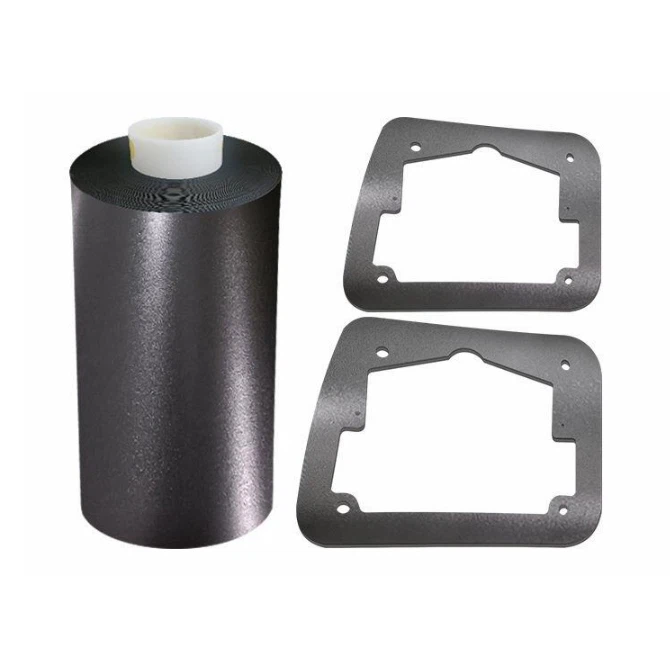
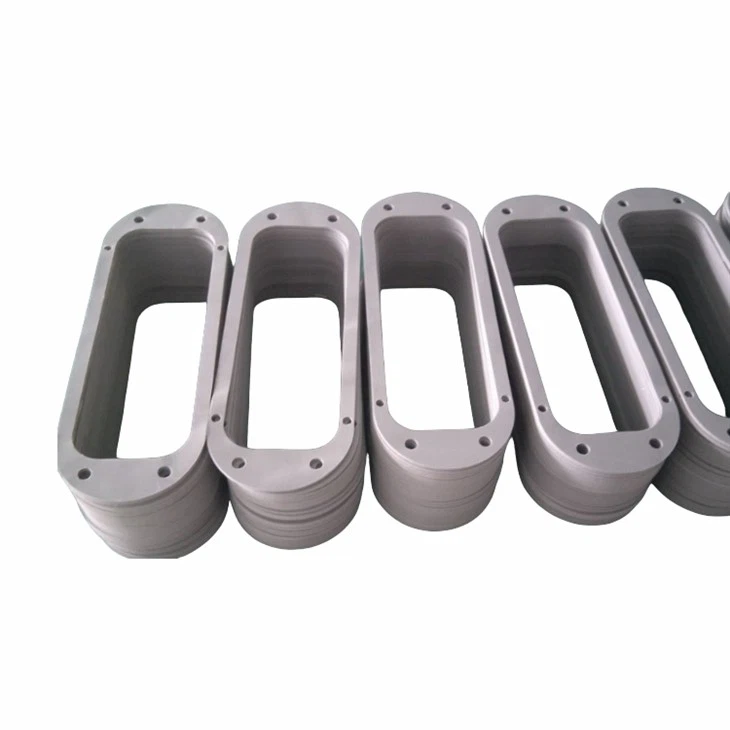
One of the most common types of foam buffers is the Polyurethane Foam Blocks. These blocks are made from a durable, high-density foam that is designed to withstand the rigors of buffing. They come in a variety of shapes and sizes, so you can choose the one that's best suited for your needs. Another popular option is the Foam Buffer, which is a more compact and lightweight version of the foam block. This type of buffer is great for small, hard-to-reach areas.
Preparing Your Motorcycle Parts
Before you start buffing, it's important to prepare your motorcycle parts properly. This will help to ensure that you get the best possible results and avoid any damage to your bike. Here's what you need to do:
- Clean the parts: Start by cleaning the parts you want to buff with a mild detergent and water. This will remove any dirt, grime, or debris that may be on the surface. Rinse the parts thoroughly and dry them with a clean, soft cloth.
- Inspect the parts: Once the parts are clean, inspect them carefully for any scratches, dents, or other damage. If you find any, you may need to repair them before you start buffing. You can use a scratch remover or a touch-up paint to fix minor scratches, or you may need to take the parts to a professional for more extensive repairs.
- Mask off any areas you don't want to buff: If there are any areas of your motorcycle that you don't want to buff, such as decals or chrome trim, you should mask them off with painter's tape. This will protect them from the polishing compound and prevent any damage.
Choosing the Right Polishing Compound
The next step is to choose the right polishing compound for your needs. There are different types of polishing compounds available, each with its own unique properties and uses. Here are some things to consider when choosing a polishing compound:
- The type of finish you want: If you want a high-gloss finish, you should choose a polishing compound that is designed for that purpose. If you want a more matte finish, you may want to choose a compound that is less abrasive.
- The type of surface you're buffing: Different types of surfaces require different types of polishing compounds. For example, if you're buffing a painted surface, you should choose a compound that is designed for that purpose. If you're buffing a chrome surface, you may want to choose a compound that is specifically formulated for chrome.
- The level of abrasiveness: The level of abrasiveness of a polishing compound refers to how much it will remove from the surface of your motorcycle parts. If you have a lot of scratches or swirl marks, you may need to choose a more abrasive compound to remove them. If you just want to remove a little bit of oxidation or dullness, you can choose a less abrasive compound.
Using the Foam Buffer
Now that you've prepared your motorcycle parts and chosen the right polishing compound, it's time to start buffing. Here's how to use a foam buffer:
- Apply the polishing compound: Squeeze a small amount of the polishing compound onto the foam pad of your buffer. You don't need to use a lot, just enough to cover the pad evenly.
- Start buffing: Turn on your buffer and start buffing the surface of your motorcycle parts in a circular motion. Apply light pressure and keep the buffer moving at a steady pace. Don't stay in one spot for too long, as this can cause the surface to overheat and damage the paint.
- Work in small sections: It's a good idea to work in small sections at a time, especially if you're buffing a large area. This will help you to ensure that you cover the entire surface evenly and avoid missing any spots.
- Check your progress: As you're buffing, you should check your progress regularly to see how the surface is looking. If you're not getting the results you want, you may need to adjust the pressure or the speed of your buffer, or you may need to choose a different polishing compound.
- Wipe off the excess compound: Once you've finished buffing a section, you should wipe off the excess polishing compound with a clean, soft cloth. This will remove any residue and leave the surface looking clean and shiny.
- Repeat the process: If you need to, you can repeat the buffing process on the same section to achieve a more polished finish. Just make sure to let the surface cool down between buffing sessions.
Finishing Up
After you've finished buffing all of your motorcycle parts, you should give them a final cleaning to remove any remaining polishing compound. You can use a mild detergent and water to clean the parts, or you can use a specialized motorcycle cleaner. Once the parts are clean, dry them with a clean, soft cloth.
To protect your newly buffed motorcycle parts, you can apply a wax or a sealant. This will help to prevent oxidation and keep the surface looking shiny for longer. You can apply the wax or sealant with a soft cloth or a foam applicator.
Conclusion
Using a foam buffer to buff your motorcycle parts is a great way to keep your bike looking its best. By following the steps outlined in this blog post, you can achieve a high-gloss finish that will make your motorcycle stand out from the crowd. Remember to choose the right polishing compound, use the foam buffer correctly, and take your time to ensure that you get the best possible results.
If you have any questions or need more information about foam buffers or polishing compounds, please don't hesitate to contact me. As a foam buffer supplier, I'm always happy to help. Whether you're a professional detailer or a DIY enthusiast, I can provide you with the products and advice you need to keep your motorcycle looking its best. So, if you're interested in purchasing foam buffers or other detailing products, feel free to reach out and let's start a conversation about your specific needs.
References
- Motorcycle Detailing 101: A Guide to Keeping Your Bike Looking Great. (n.d.). Retrieved from [Website URL]
- How to Choose the Right Polishing Compound. (n.d.). Retrieved from [Website URL]
- The Basics of Buffing and Polishing. (n.d.). Retrieved from [Website URL]