

What materials are used to make battery thermal pads?
As a leading supplier of Battery Thermal Pads, I'm often asked about the materials that go into these essential components. Battery thermal pads play a crucial role in maintaining the optimal temperature of batteries, which is vital for their performance, safety, and longevity. In this blog post, I'll delve into the various materials used to make battery thermal pads and explain their properties and benefits.
Silicone-based materials
Silicone is one of the most commonly used materials for battery thermal pads. It offers several advantages, including excellent thermal conductivity, flexibility, and electrical insulation. Silicone-based thermal pads are typically made by blending silicone polymers with thermally conductive fillers, such as aluminum oxide, boron nitride, or zinc oxide.
The thermal conductivity of silicone-based thermal pads can range from 0.5 W/mK to over 10 W/mK, depending on the type and amount of filler used. Higher thermal conductivity means better heat transfer, which is essential for dissipating heat from the battery to the surrounding environment.
Silicone-based thermal pads are also highly flexible, which allows them to conform to irregular surfaces and fill gaps between the battery and the heat sink. This ensures good contact and efficient heat transfer. Additionally, silicone is electrically insulating, which helps prevent short circuits and electrical interference.
Another advantage of silicone-based thermal pads is their resistance to high temperatures, chemicals, and moisture. They can withstand temperatures ranging from -40°C to 200°C, making them suitable for a wide range of applications. Silicone is also resistant to most chemicals and moisture, which helps protect the battery and the thermal pad from damage.
Polyurethane-based materials
Polyurethane is another popular material for battery thermal pads. It offers similar properties to silicone, including good thermal conductivity, flexibility, and electrical insulation. Polyurethane-based thermal pads are typically made by blending polyurethane polymers with thermally conductive fillers, such as aluminum oxide or graphite.
The thermal conductivity of polyurethane-based thermal pads can range from 0.3 W/mK to 5 W/mK, depending on the type and amount of filler used. While not as high as some silicone-based thermal pads, polyurethane-based thermal pads still offer good heat transfer performance.
Polyurethane-based thermal pads are also highly flexible, which allows them to conform to irregular surfaces and fill gaps between the battery and the heat sink. They are also resistant to high temperatures, chemicals, and moisture, making them suitable for a wide range of applications.
One advantage of polyurethane-based thermal pads is their low hardness, which makes them easy to compress and install. This can help reduce the installation time and cost, especially in high-volume applications.
Graphite-based materials
Graphite is a highly thermally conductive material that is often used in battery thermal pads. Graphite-based thermal pads are typically made by coating a thin layer of graphite on a flexible substrate, such as polyimide or polyester.

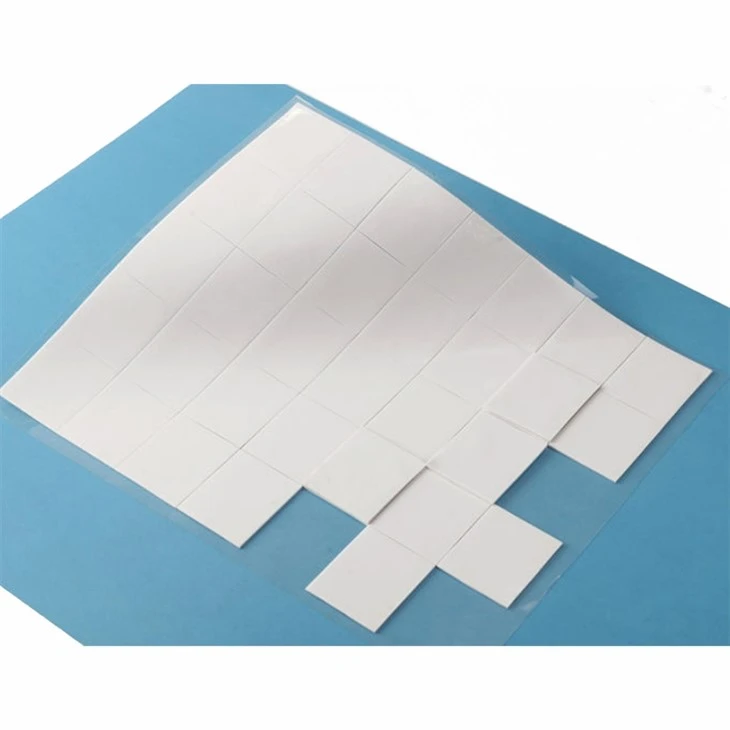
The thermal conductivity of graphite-based thermal pads can range from 100 W/mK to over 1000 W/mK, depending on the type and quality of graphite used. This makes them one of the most thermally conductive materials available for battery thermal pads.
Graphite-based thermal pads are also highly flexible, which allows them to conform to irregular surfaces and fill gaps between the battery and the heat sink. They are also lightweight and thin, which can help reduce the overall weight and size of the battery pack.
One advantage of graphite-based thermal pads is their high thermal diffusivity, which means they can quickly transfer heat away from the battery. This can help prevent overheating and improve the performance and safety of the battery.
Ceramic-based materials
Ceramic materials, such as aluminum oxide and boron nitride, are also used in battery thermal pads. Ceramic-based thermal pads are typically made by sintering ceramic powders into a dense, solid material.
The thermal conductivity of ceramic-based thermal pads can range from 20 W/mK to over 100 W/mK, depending on the type and quality of ceramic used. This makes them highly thermally conductive and suitable for applications where high heat transfer performance is required.
Ceramic-based thermal pads are also highly resistant to high temperatures, chemicals, and moisture. They can withstand temperatures ranging from -200°C to 1000°C, making them suitable for a wide range of applications. Ceramic is also electrically insulating, which helps prevent short circuits and electrical interference.
One advantage of ceramic-based thermal pads is their high mechanical strength, which makes them durable and resistant to damage. They are also resistant to vibration and shock, which can help protect the battery and the thermal pad from damage in harsh environments.
Conclusion
In conclusion, there are several materials used to make battery thermal pads, each with its own unique properties and benefits. Silicone-based materials offer excellent thermal conductivity, flexibility, and electrical insulation, while polyurethane-based materials offer similar properties with a lower hardness. Graphite-based materials are highly thermally conductive and lightweight, while ceramic-based materials are highly resistant to high temperatures, chemicals, and moisture.
As a supplier of Battery Thermal Pads, we offer a wide range of products made from these materials to meet the specific needs of our customers. Whether you need a high-performance thermal pad for a demanding application or a cost-effective solution for a standard application, we have the expertise and experience to provide you with the right product.
If you're interested in learning more about our Battery Thermal Pads or would like to discuss your specific requirements, please visit our website at Battery Thermal Pad or contact us today. We look forward to working with you to provide you with the best thermal management solutions for your battery applications.
In addition to Battery Thermal Pads, we also offer Thermally Conductive Gel, which is another effective solution for thermal management in battery applications. Thermally Conductive Gel offers excellent thermal conductivity and can fill gaps and irregularities between the battery and the heat sink, providing a more efficient heat transfer path. To learn more about our Thermally Conductive Gel, please visit our website at Thermally Conductive Gel.
References
- "Thermal Management Materials for Batteries," Journal of Power Sources, Vol. 300, 2015.
- "Silicone-Based Thermal Interface Materials," Handbook of Thermal Interface Materials, 2016.
- "Polyurethane-Based Thermal Pads for Electronic Devices," International Journal of Thermal Sciences, Vol. 100, 2016.
- "Graphite-Based Thermal Interface Materials," Carbon, Vol. 90, 2015.
- "Ceramic-Based Thermal Management Materials," Journal of the American Ceramic Society, Vol. 98, 2015.