

As a supplier of absorbing materials, I often encounter questions about the recyclability of these products. Absorbing materials play a crucial role in various industries, from electronics to construction, due to their ability to absorb and dissipate energy such as sound, heat, and electromagnetic waves. However, with the increasing focus on environmental sustainability, the question of whether these materials can be recycled has become more prominent. In this blog, I will delve into the topic of recycling absorbing materials, exploring the possibilities, challenges, and potential solutions.
Types of Absorbing Materials and Their Recycling Potential
Absorbing materials come in different forms and compositions, each with its own recycling characteristics. Let's take a look at some common types:
Foam Absorbing Materials
Foam absorbing materials, such as polyurethane foam and melamine foam, are widely used for sound and heat absorption. Polyurethane foam can be recycled through mechanical recycling processes, where it is shredded and then reprocessed into new foam products or other plastic materials. However, the recycling of polyurethane foam can be challenging due to its complex chemical structure and the presence of additives. Melamine foam, on the other hand, is more difficult to recycle because of its high nitrogen content and the need for specialized recycling facilities.
Fiber Absorbing Materials
Fiber absorbing materials, including glass fiber and mineral wool, are commonly used for thermal and acoustic insulation. Glass fiber can be recycled by melting it down and reforming it into new glass products. Mineral wool can also be recycled, but the process is more complex and requires high temperatures to break down the fibers. In some cases, recycled mineral wool can be used as a raw material for new insulation products.
Metal Absorbing Materials
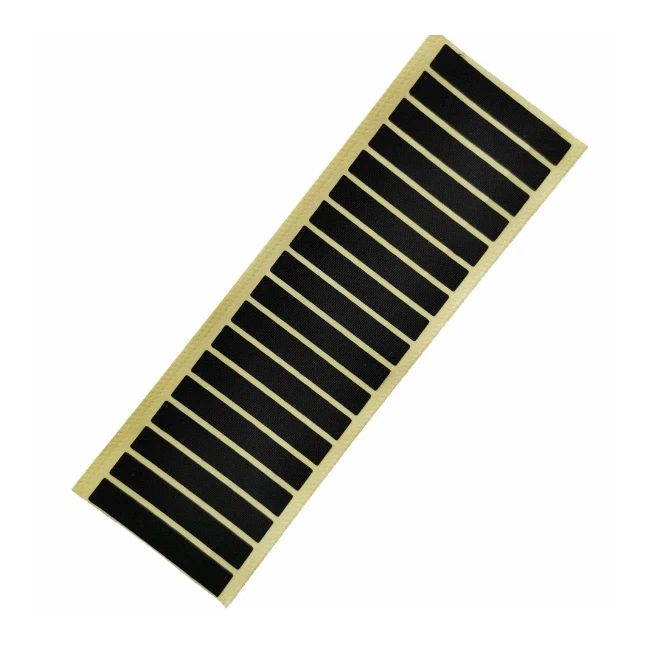
Metal absorbing materials, such as Die Cut Copper Foil Tape, are used for electromagnetic shielding. Metals are generally highly recyclable, and copper foil tape can be recycled through traditional metal recycling processes. The copper can be separated from the tape and refined to be used in new copper products. Recycling metal absorbing materials not only conserves natural resources but also reduces the environmental impact associated with mining and metal production.
Composite Absorbing Materials
Composite absorbing materials are made by combining different types of materials to achieve specific absorption properties. These materials can be more difficult to recycle due to the complexity of separating the different components. For example, a composite material consisting of a polymer matrix and a filler material may require specialized processes to separate the polymer from the filler. However, advancements in recycling technology are making it possible to recycle some composite materials more efficiently.
Challenges in Recycling Absorbing Materials
Despite the potential for recycling absorbing materials, there are several challenges that need to be addressed:
Contamination
Absorbing materials can become contaminated during their use, which can make recycling more difficult. For example, foam absorbing materials may be exposed to dirt, dust, and chemicals, which can affect the quality of the recycled material. Contamination can also occur during the manufacturing process if the materials are not properly cleaned or stored.
Lack of Recycling Infrastructure
In many regions, there is a lack of recycling infrastructure specifically designed for absorbing materials. This can make it difficult for suppliers and consumers to recycle these materials properly. Recycling facilities may not have the necessary equipment or expertise to handle the different types of absorbing materials, or they may not be willing to accept them due to the low volume or high cost of recycling.
Cost
Recycling absorbing materials can be more expensive than producing new materials. The cost of collection, transportation, and processing can be significant, especially for materials that require specialized recycling processes. In some cases, the cost of recycling may be higher than the value of the recycled material, which can discourage recycling efforts.
Design for Recycling
Many absorbing materials are not designed with recycling in mind. The materials may be difficult to disassemble or separate, or they may contain additives or components that are not recyclable. Designing absorbing materials for recyclability can help to reduce the cost and complexity of recycling and increase the overall recycling rate.
Solutions to Overcome Recycling Challenges
To address the challenges in recycling absorbing materials, several solutions can be implemented:
Education and Awareness
Increasing education and awareness about the importance of recycling absorbing materials is crucial. Suppliers can play a role in educating their customers about the recyclability of their products and providing information on how to recycle them properly. Consumers can also be encouraged to choose products that are more easily recyclable and to support recycling initiatives.
Collaboration
Collaboration between suppliers, manufacturers, recyclers, and government agencies is essential to develop effective recycling solutions. Suppliers can work with recyclers to develop recycling processes that are tailored to their specific materials. Manufacturers can design their products for recyclability and incorporate recycled materials into their production processes. Government agencies can provide incentives and support for recycling initiatives and invest in the development of recycling infrastructure.
Innovation in Recycling Technology
Advancements in recycling technology are needed to overcome the challenges in recycling absorbing materials. Researchers are exploring new methods for separating and recycling complex materials, such as composite materials. For example, chemical recycling processes can be used to break down polymers into their monomers, which can then be used to produce new polymers. New technologies can also be developed to improve the efficiency and cost-effectiveness of recycling processes.
Extended Producer Responsibility
Extended producer responsibility (EPR) is a policy approach that holds producers responsible for the entire life cycle of their products, including their disposal and recycling. By implementing EPR programs, producers are incentivized to design their products for recyclability and to take responsibility for the collection and recycling of their products at the end of their life. This can help to increase the recycling rate of absorbing materials and reduce the environmental impact of their production and use.
Benefits of Recycling Absorbing Materials
Recycling absorbing materials offers several benefits:
Environmental Benefits
Recycling absorbing materials helps to conserve natural resources and reduce the environmental impact of their production and use. By recycling materials, we can reduce the need for virgin materials, which can help to protect the environment and reduce greenhouse gas emissions. Recycling also helps to reduce the amount of waste sent to landfills, which can help to extend the lifespan of landfills and reduce the risk of environmental pollution.
Economic Benefits
Recycling absorbing materials can also have economic benefits. By reducing the demand for virgin materials, recycling can help to lower the cost of production and improve the competitiveness of the industry. Recycling can also create jobs in the recycling and waste management sectors, which can contribute to economic growth.
Social Benefits
Recycling absorbing materials can have social benefits by promoting a more sustainable and circular economy. By encouraging the reuse and recycling of materials, we can reduce our dependence on finite resources and create a more sustainable future for generations to come. Recycling can also help to raise awareness about environmental issues and encourage individuals and businesses to take action to protect the environment.
Conclusion
In conclusion, while there are challenges in recycling absorbing materials, it is possible to recycle many types of these materials with the right technology, infrastructure, and policies in place. As a supplier of absorbing materials, I am committed to promoting the recycling of our products and working with our customers and partners to develop sustainable solutions. By addressing the challenges and implementing the solutions outlined in this blog, we can increase the recycling rate of absorbing materials and contribute to a more sustainable future.
If you are interested in purchasing absorbing materials or have any questions about recycling, please feel free to contact us. We are happy to provide you with more information and to discuss your specific needs. Let's work together to create a more sustainable world.

References
- "Recycling of Polyurethane Foam: A Review" by M. A. Khan et al.
- "Recycling of Glass Fibre Reinforced Polymers: A Review" by S. Pickering et al.
- "Recycling of Metal Wastes: A Review" by A. K. Biswas et al.
- "Design for Recycling: Principles and Practices" by C. C. Leão et al.