

Hey there! I'm a supplier of frame glue, and today I wanna chat with you about how this nifty stuff works. Frame glue is a crucial product in various industries, from electronics to construction. It's used to bond different materials together, creating a strong and reliable connection. So, let's dive right in and explore the ins and outs of frame glue.
The Basics of Frame Glue
First things first, what exactly is frame glue? Well, it's a type of adhesive that's specifically designed to bond frames or similar structures. It can be made from different materials, such as epoxy, polyurethane, or acrylic. Each type of adhesive has its own unique properties and advantages, so the choice of frame glue depends on the specific application.
Epoxy frame glue, for example, is known for its high strength and excellent chemical resistance. It's often used in applications where a strong and permanent bond is required, such as in the construction of electronic devices or automotive parts. Polyurethane frame glue, on the other hand, is more flexible and has better shock absorption properties. It's commonly used in applications where there's a need for some degree of movement or flexibility, like in the assembly of furniture or doors.
Acrylic frame glue is another popular option. It offers a good balance between strength and flexibility, and it's also resistant to UV light and weathering. This makes it suitable for outdoor applications, such as in the construction of windows or signage.
How Frame Glue Works
Now that we know what frame glue is, let's take a closer look at how it works. The bonding process of frame glue involves several steps, and understanding these steps can help you use the glue more effectively.
Surface Preparation
The first step in using frame glue is to prepare the surfaces that you want to bond. This is crucial because a clean and dry surface will ensure a better bond. You should clean the surfaces thoroughly to remove any dirt, grease, or other contaminants. You can use a suitable cleaning agent, such as isopropyl alcohol, to wipe the surfaces clean. After cleaning, make sure the surfaces are completely dry before applying the glue.
Mixing (if required)
Some types of frame glue, such as epoxy, come in two parts that need to be mixed together before use. When mixing the glue, it's important to follow the manufacturer's instructions carefully. Usually, you'll need to mix the two parts in the correct ratio using a clean mixing tool, like a spatula or a stir stick. Make sure the mixture is well blended to ensure a consistent bond.
Application
Once the surfaces are prepared and the glue is mixed (if necessary), it's time to apply the glue. You can use a brush, a roller, or a dispenser to apply the glue evenly on one or both of the surfaces. The amount of glue you apply will depend on the type of glue and the size of the surfaces. Generally, you want to apply a thin and even layer of glue to avoid excess glue squeezing out when the surfaces are joined together.
Bonding
After applying the glue, quickly bring the two surfaces together and press them firmly. Make sure the surfaces are aligned correctly and there are no gaps or air bubbles between them. You may need to use clamps or other fixtures to hold the surfaces in place while the glue cures. The curing time of frame glue can vary depending on the type of glue, the temperature, and the humidity. Some glues may cure in a few minutes, while others may take several hours or even days.
Curing
During the curing process, the glue undergoes a chemical reaction that turns it from a liquid or semi - liquid state to a solid state. This reaction is what creates the strong bond between the two surfaces. It's important to let the glue cure fully before subjecting the bonded parts to any stress or load. Otherwise, the bond may not be as strong as it should be.
Factors Affecting the Performance of Frame Glue
There are several factors that can affect how well frame glue works. Understanding these factors can help you get the best results when using frame glue.
Temperature
Temperature plays a big role in the curing process of frame glue. Most glues have an optimal temperature range for curing. If the temperature is too low, the curing process may be slow or may not occur at all. On the other hand, if the temperature is too high, the glue may cure too quickly, which can lead to a weaker bond. It's important to follow the manufacturer's recommendations regarding the temperature range for using the glue.
Humidity
Humidity can also affect the performance of frame glue. Some glues are sensitive to moisture, and high humidity can cause problems such as slower curing or a weaker bond. In humid environments, it may be necessary to take extra precautions, such as using a dehumidifier or applying the glue in a controlled environment.
Material Compatibility
The type of materials you're bonding can also affect the performance of the frame glue. Different materials have different surface properties, and some glues may bond better to certain materials than others. For example, epoxy glue may bond well to metal and plastic, but it may not work as well on some types of rubber. It's important to choose a frame glue that is compatible with the materials you're using.
Applications of Frame Glue
Frame glue has a wide range of applications in different industries. Here are some common examples:
Electronics
In the electronics industry, frame glue is used to bond components together, such as circuit boards, displays, and enclosures. It helps to protect the components from damage and ensures a stable connection. For example, when assembling a smartphone, frame glue is used to bond the display to the frame of the phone, providing a strong and reliable bond.

Construction
In construction, frame glue is used for various purposes, such as bonding wooden frames, installing windows and doors, and attaching signage. It can provide a strong and durable bond that can withstand the forces and stresses in a building. For instance, when installing a window, frame glue can be used to seal the gap between the window frame and the wall, preventing air and water leakage.
Furniture
Furniture manufacturers use frame glue to assemble different parts of furniture, such as chairs, tables, and cabinets. It helps to create a strong and stable structure. For example, when joining the legs of a chair to the seat frame, frame glue can provide a reliable bond that can withstand the weight and movement of people sitting on the chair.
Related Products
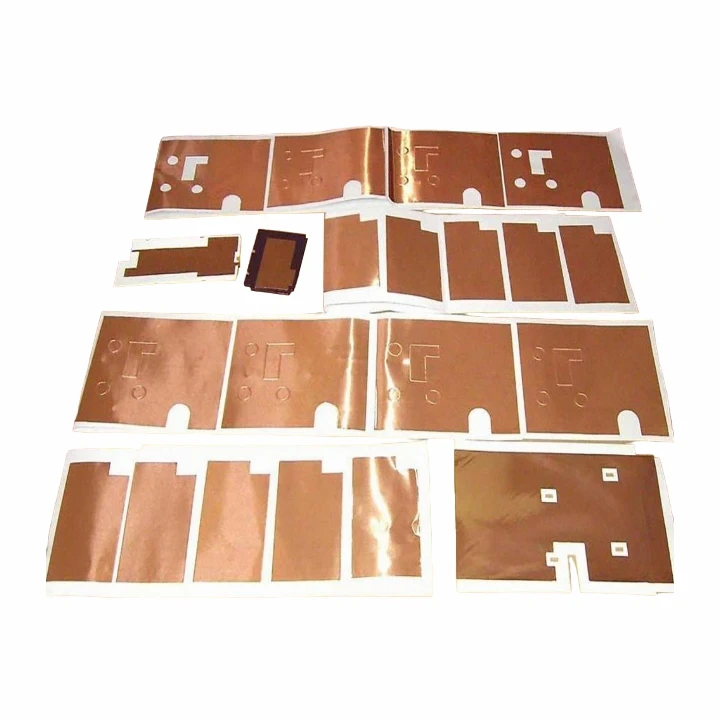
If you're in the market for frame glue, you might also be interested in some related products. Check out our Die Cut Copper Foil Tape, which is great for electrical shielding and grounding applications. We also have Die Cut Graphite Sheet, which is useful for heat dissipation in electronics. And don't forget about our Conductive Foam, which can be used for electromagnetic interference (EMI) shielding.
Contact for Purchase
If you're interested in purchasing our frame glue or any of our related products, we'd love to hear from you. Whether you have questions about our products, need advice on which glue is right for your application, or want to place an order, just reach out to us. We're here to help you find the best solutions for your bonding needs.
References
- Adhesive Handbook: A Comprehensive Guide to Adhesive Technology, various authors
- Industrial Adhesives: Theory and Practice, edited by Alan S. Wilson
- The Chemistry of Adhesives, by C. A. May